

Can healthcare systems really improve patient experience without increasing staff workload?
How are hospitals, clinics, and digital health platforms scaling care while controlling costs?
In 2025, healthcare organizations face growing pressure—rising patient volumes, staff shortages, higher expectations for digital experiences, and strict compliance requirements. One technology increasingly addressing these challenges is healthcare chatbots.
This article explores the top benefits of chatbots in healthcare, explaining why hospitals, clinics, insurers, and health-tech companies are adopting conversational AI to improve outcomes, efficiency, and patient satisfaction.
1. 24/7 Patient Support Without Increasing Staff Load
One of the biggest benefits of chatbots in healthcare is their ability to provide round-the-clock patient support.
Healthcare chatbots can:
- Answer common patient questions anytime
- Provide instant responses outside clinic hours
- Reduce dependency on front-desk staff
- Improve accessibility for patients in different time zones
Patients no longer need to wait until business hours to get basic information, while healthcare staff are freed from repetitive queries.
2. Reduced Administrative Burden for Healthcare Staff
Administrative tasks consume a significant portion of healthcare professionals’ time.
Chatbots help by automating:
- Appointment scheduling and rescheduling
- Insurance and billing-related queries
- Pre-visit questionnaires
- Follow-up reminders
By reducing manual administrative work, chatbots allow doctors, nurses, and administrative staff to focus on clinical and high-value patient interactions.
3. Improved Patient Engagement and Experience
Patient engagement is critical for better health outcomes, yet many patients feel disconnected from healthcare systems.
Chatbots improve engagement by:
- Providing instant responses
- Using conversational, easy-to-understand language
- Offering personalized interactions
- Guiding patients step-by-step
This leads to higher patient satisfaction, better communication, and improved trust in healthcare providers.
4. Faster Appointment Booking and Triage
Delays in appointment booking are a common frustration for patients.
Healthcare chatbots streamline this by:
- Checking availability in real time
- Booking appointments instantly
- Performing basic symptom triage
- Directing patients to the right department or specialist
This reduces wait times, improves resource allocation, and ensures patients receive timely care.
5. Support for Remote Care and Telemedicine
As telehealth adoption continues to grow, chatbots play a crucial role in supporting remote care.
Chatbots can:
- Assist patients before virtual consultations
- Collect symptoms and medical history
- Guide patients through telemedicine workflows
- Provide post-consultation follow-ups
This makes virtual care more structured, efficient, and scalable.
6. Better Medication Adherence and Follow-Ups
Medication non-adherence is a major issue in healthcare, leading to poor outcomes and higher costs.
Chatbots help improve adherence by:
- Sending medication reminders
- Answering questions about dosage and timing
- Notifying patients about prescription refills
- Encouraging follow-up visits
These small interventions can significantly improve long-term patient outcomes.
7. Cost Savings for Healthcare Organizations
Another major benefit of chatbots in healthcare is cost efficiency.
By automating routine interactions, chatbots help:
- Reduce call center workload
- Minimize staffing costs for repetitive tasks
- Lower operational overhead
- Improve ROI on digital health investments
For healthcare providers operating on tight margins, these savings are substantial.
8. Improved Data Collection and Patient Insights
Healthcare chatbots can collect valuable patient data in a structured manner.
They can:
- Capture symptoms and patient history
- Collect feedback and satisfaction scores
- Record behavioral and engagement patterns
- Feed data into EHRs and analytics systems
This data helps providers make better clinical and operational decisions while improving personalization. When combined with purpose-built AI development services, healthcare organizations can turn this data into predictive insights, intelligent triage, and decision-support systems tailored to their workflows.
9. Scalability During High-Demand Situations
Healthcare demand can spike unexpectedly during:
- Seasonal illness outbreaks
- Public health emergencies
- Vaccination drives
- Awareness campaigns
Chatbots scale instantly without additional staffing, ensuring consistent patient support during high-demand periods.
10. Enhanced Compliance and Standardized Communication
Healthcare communication must be accurate, consistent, and compliant with regulations.
Chatbots help by:
- Delivering standardized responses
- Reducing human error in communication
- Following predefined clinical and compliance rules
- Maintaining audit-friendly interaction logs
This is especially valuable for regulated environments like hospitals, insurers, and digital health platforms.
Why Chatbots Are Becoming Essential in Modern Healthcare
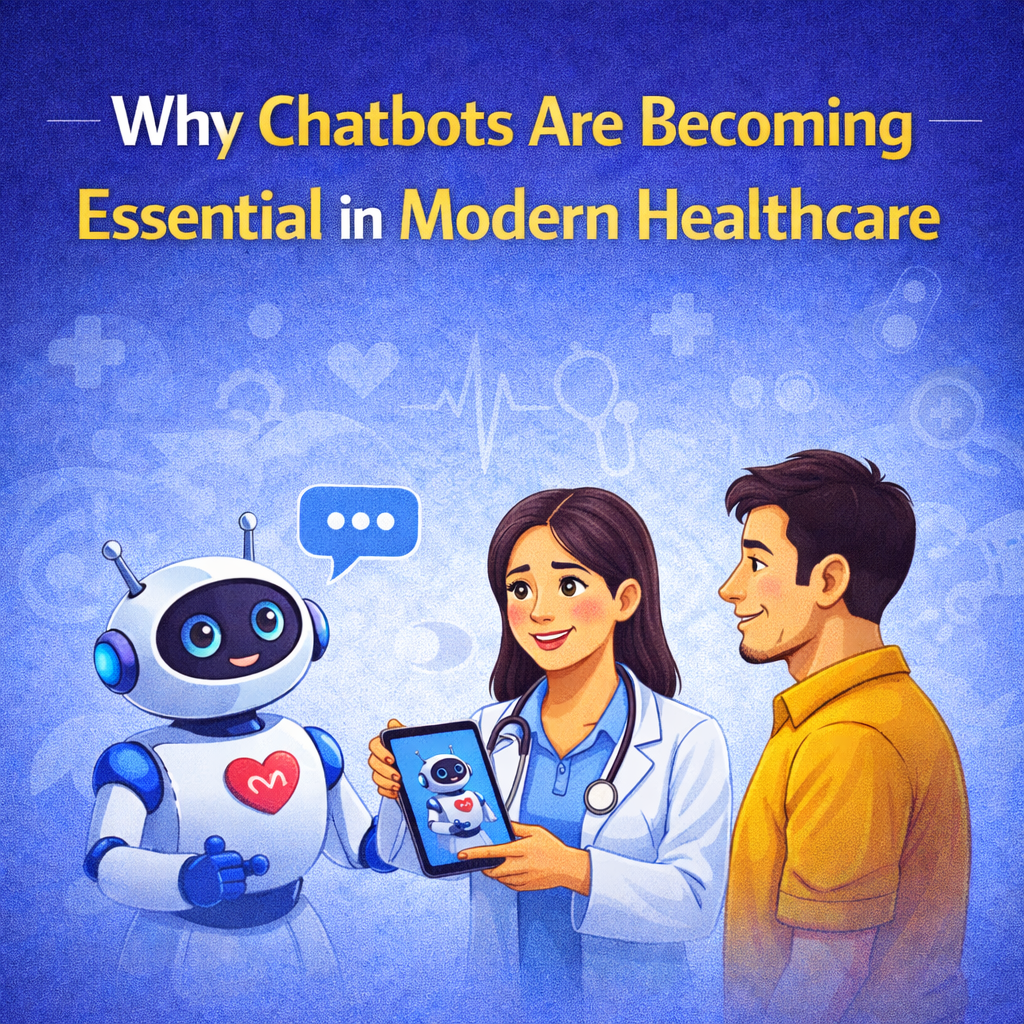
The benefits of chatbots in healthcare go beyond automation. They represent a shift toward:
- Patient-centric care
- Digital-first healthcare delivery
- Scalable health services
- Data-driven decision-making
Chatbots act as a bridge between patients and healthcare systems, improving access while reducing operational strain.
When Does It Make Sense to Implement Healthcare Chatbots?
Healthcare chatbots are especially valuable when:
- Patient volumes are high
- Administrative workload is overwhelming
- Telemedicine services are expanding
- Patient engagement needs improvement
- Cost optimization is a priority
Whether for hospitals, clinics, insurers, or health-tech startups, chatbots offer measurable operational and patient-care benefits.
Final Thoughts
The benefits of chatbots in healthcare are clear: improved patient experience, reduced staff burden, better engagement, and scalable care delivery.
As healthcare systems continue to evolve in 2025, chatbots are no longer experimental tools—they are strategic digital assets that support both clinical excellence and operational efficiency.
- What are the main benefits of chatbots in healthcare?
The main benefits of chatbots in healthcare include 24/7 patient support, reduced administrative workload, improved patient engagement, faster appointment scheduling, and better care accessibility.
- Are healthcare chatbots safe and compliant?
Yes, healthcare chatbots can be designed to meet strict compliance and data security requirements by following healthcare regulations and using secure, standardized communication protocols.
- How do chatbots improve patient engagement in healthcare?
Chatbots improve patient engagement by providing instant responses, personalized interactions, medication reminders, follow-ups, and easy access to healthcare information.
- Which healthcare organizations benefit the most from chatbots?
Hospitals, clinics, telemedicine platforms, insurers, and digital health startups benefit the most from chatbots, especially those handling high patient volumes or remote care services.
Leave a Reply